US MILITARY & HEALTHCARE FAILURE

Books by American Doctor

(2023) Chronicles of John Hughes as an Army physician in Iraq and Afghanistan and again during COVID in the United States.

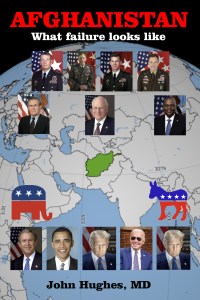
(2026) Analysis of political and military failures spanning over two decades that led to the embarrassing withdrawal.

About

Who is John Hughes (American Doctor)?

  • West Point Graduate
  • Army combat veteran of Haiti, Iraq, Afghanistan
  • Physician
  • Father of special needs son
  • Concerned American

After deployments spanning 1997 to 2013 in Haiti, Iraq, and Afghanistan, John reflected on the new American tradition of military failure. All 3 operations ended in disaster. Then, bipartisan missteps during COVID alerted him to US healthcare problems with political leaders, medical leaders, and the medical industrial complex. This prompted him to write articles and books and finally to reach out to others to begin meaningful conversations for change.
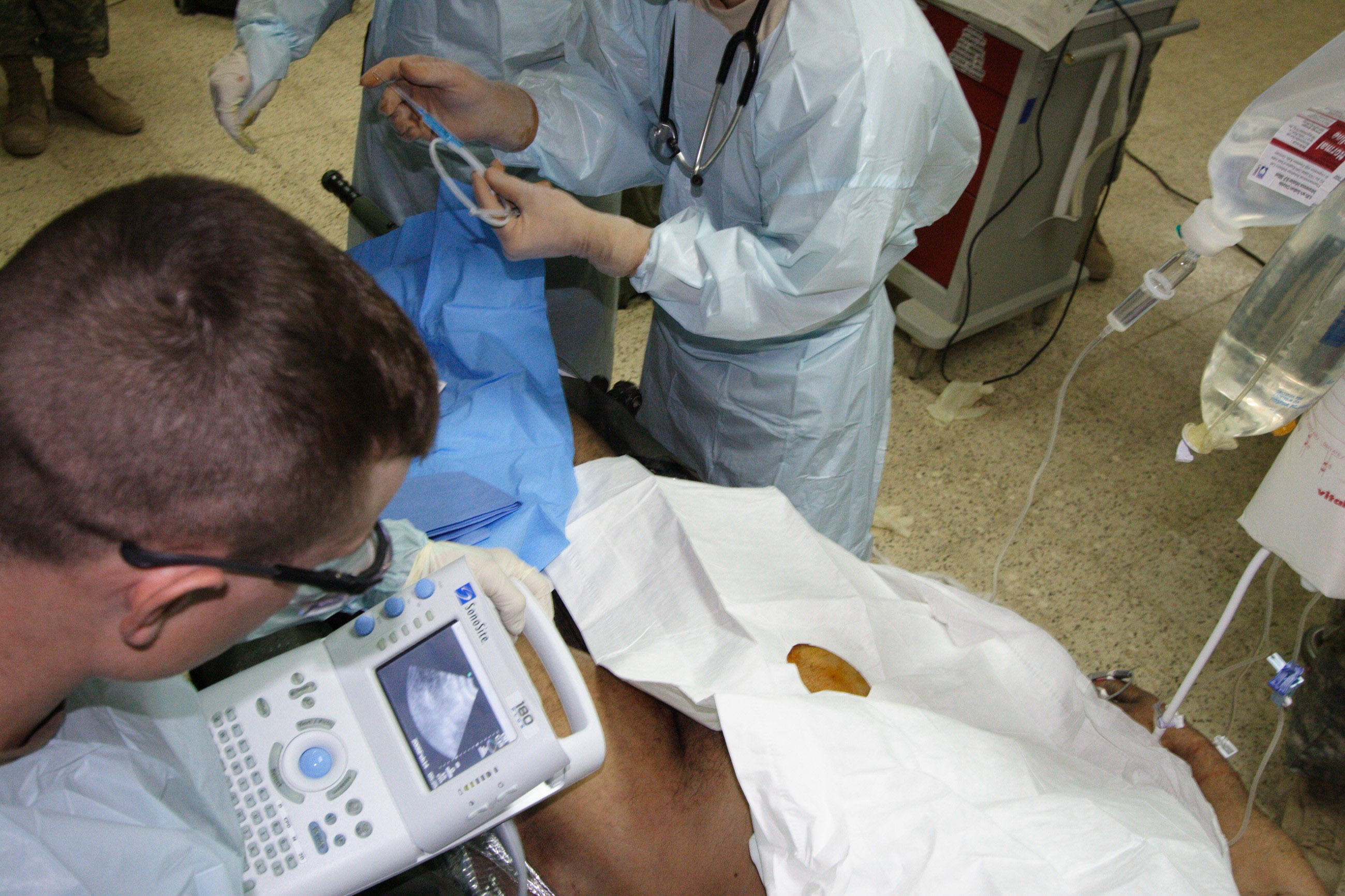
Iraq 2006

A close-up, photographic image of a rugged combat medic pack resting on a concrete floor, its heavy-duty tan fabric scuffed from use, with red-cross style patches partially visible but not text-based. The zippers are half-open, revealing neatly arranged tourniquets, bandages, and IV bags in modular compartments. Beside the pack lies a durable tablet device showing an out-of-focus interface of medical records and policy documents, symbolizing modern healthcare advocacy. Harsh overhead warehouse lighting creates strong contrasts and defined shadows, highlighting textures and grit. Shot from a low-angle, shallow depth of field makes the background—a blurred suggestion of a military vehicle bay with indistinct equipment racks—fade into soft bokeh. The mood is bold, urgent, and mission-driven, underscoring the real tools of military healthcare reform without depicting any people or readable text.

Actions for All

Knowledge is power. Many of the problems in America’s military and healthcare exist because leaders, politicians, and voters look at issues through a singular, self-serving lens.

We all need to gather data by looking at news outlets and other sources from all sides of the political spectrum.

Money is not the problem. America spends far more on defense and healthcare than any other country. Despite this, we haven’t won a major lasting war since World War 2 even though the US has been finding excuses to be in wars nearly non-stop for decades. Healthcare wise, the US has some of the best health providers, equipment, and medications, and yet has the lowest life expectancy among Western nations and the same life expectancy as impoverished Cuba.

Leadership, ethics, and money (corruption) are the problem.

Responsible parties include Republicans, Democrats, generals, and leaders of the military and medical industrial complexes.

Let the conversations begin!

Newsletter

Get focused military healthcare updates in your inbox
An expansive, photographic view of a modern military hospital corridor, its long, gleaming floors reflecting overhead strip lighting. On one side, reinforced doors with small frosted windows lead to treatment rooms, while the opposite wall features large, framed abstract prints inspired by EKG lines and anatomical forms in deep navy, crimson, and muted gray. A mobile crash cart is parked neatly at a junction, fully stocked with sealed supplies and a defibrillator with an unreadable, glowing screen. Subtle directional arrows and colored floor inlays suggest organized movement through the system. Captured at eye level with a strong central vanishing point, the composition leads the viewer forward, symbolizing progress and systemic change. The atmosphere is bold, clinical, and determined, emphasizing the infrastructure behind U.S. military and veteran care, with no human figures present.

Contact

Have ideas, stories, or questions about military and healthcare reform? Use the form below and our team will respond as soon as possible.

Based in the United States

← Back

Thank you for your response. ✨

A large, wall-mounted whiteboard in a policy war-room setting, covered with color-coded sticky notes, arrows, and hand-drawn flowcharts depicting a complex healthcare system, all deliberately illegible. Below it, a row of neatly stacked binders in muted blues, grays, and olive tones sits on a steel shelf, each spine marked only with simple geometric symbols instead of text. A rugged tactical helmet and a stethoscope rest side by side on the tabletop beneath, symbolizing the intersection of military service and medicine. Warm, directional spotlighting from above creates dramatic shadows and highlights, giving the scene a bold, strategic feel. Photographic realism with a slightly off-center composition and moderate depth of field keeps focus on the planning surface, blurring the edges of the room to suggest intense, behind-the-scenes advocacy work without showing any individuals.