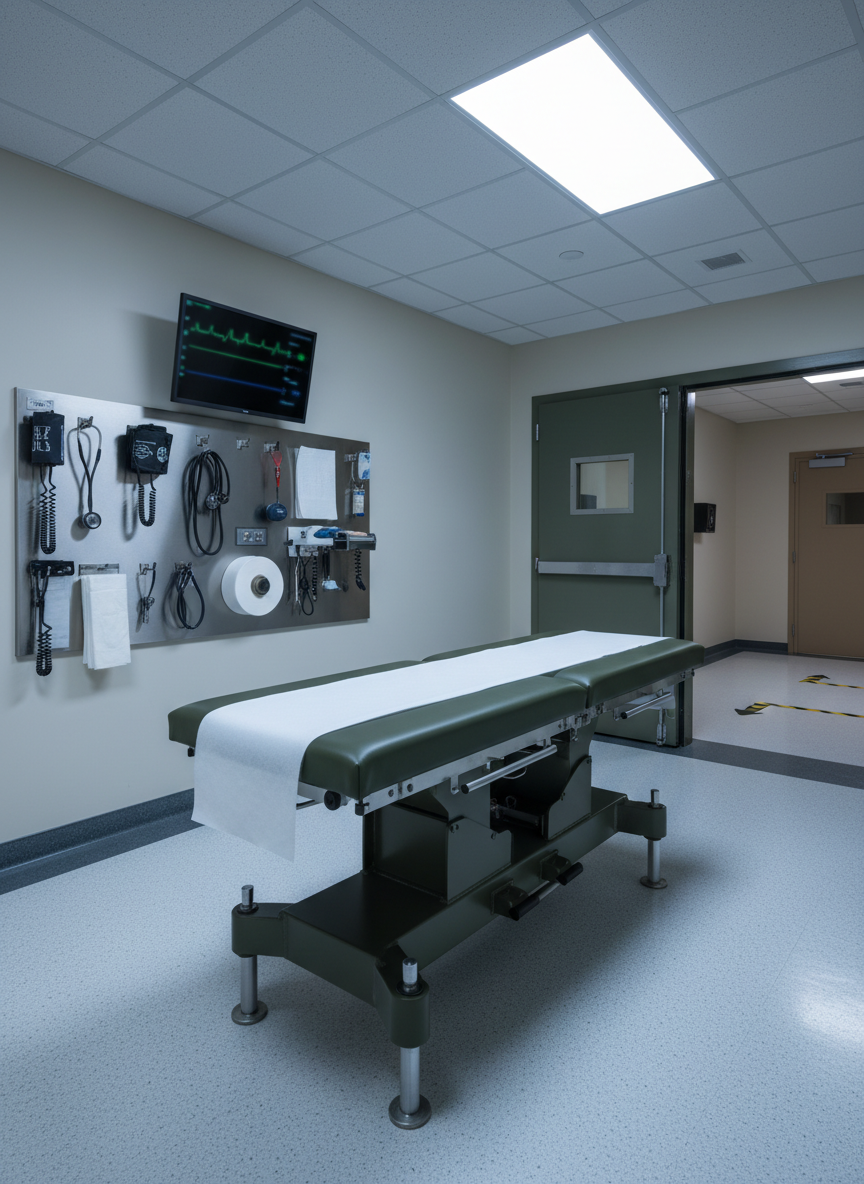
A spotless military-style medical examination room, featuring a sturdy olive-green exam table with reinforced metal legs and a crisp white paper roll perfectly aligned along its surface. Along one wall, organized medical equipment—stethoscopes, blood pressure cuffs, and trauma supplies—hangs on a brushed steel panel, while a digital monitor displays abstract, blurred vital signs. The floor is resilient, speckled vinyl, reflecting a soft sheen under cool, diffused overhead LED lighting. In the background, a partially open reinforced door reveals a corridor with muted beige walls and directional floor markings. Photographic realism, eye-level composition, and a wide-angle lens emphasize readiness and systemic structure. The atmosphere feels serious, purposeful, and bold, ideal for illustrating the frontline environment of U.S. military medicine without human presence.

Key Military Issues

  • Decades of US military losing wars
  • Powerful military industrial complex
  • Lack of accountability of pentagon budget and leadership

About

Why US Healthcare Must Change

  • Most expensive healthcare system in the world
  • Worst life expectancy among Western Nations
  • Bilateral political failure to ensure Americans have health insurance
  • Bilateral political failures to fix chronic medical supply chain failures
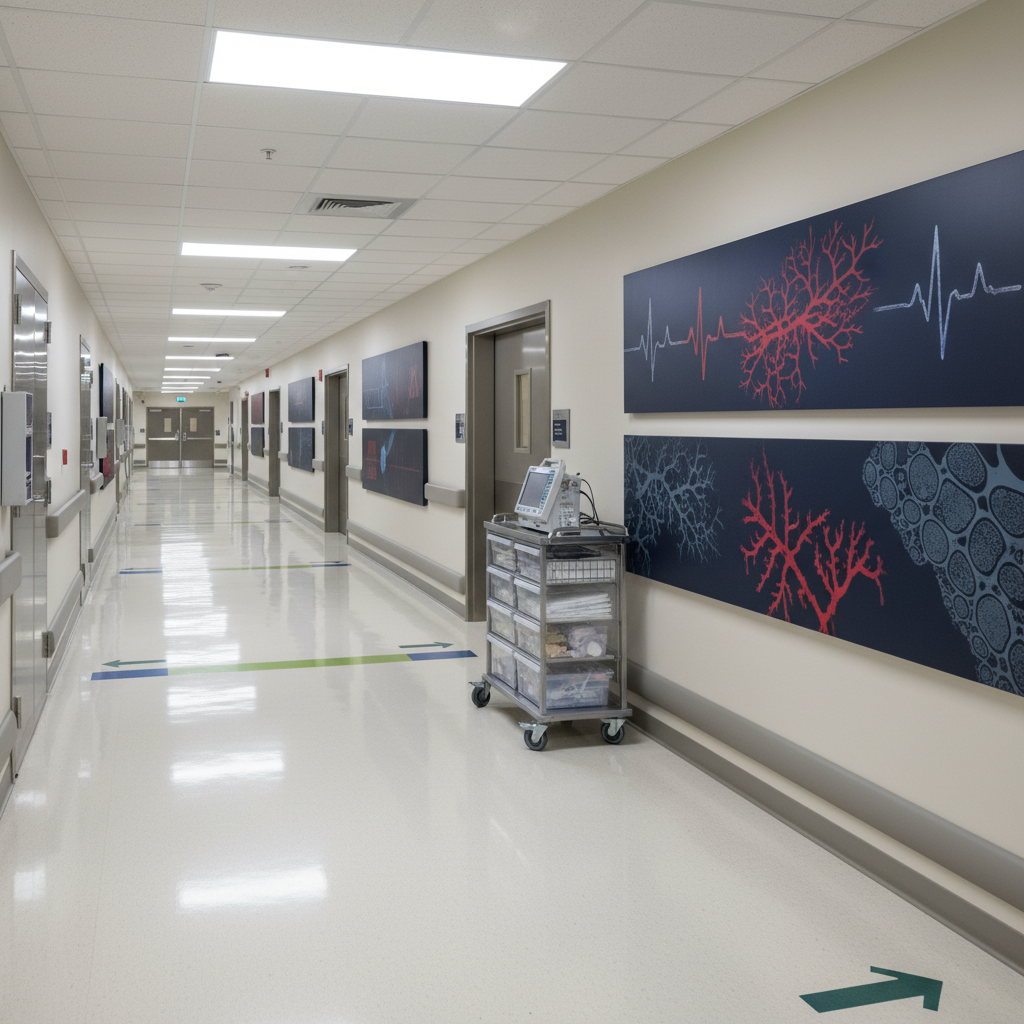
An expansive, photographic view of a modern military hospital corridor, its long, gleaming floors reflecting overhead strip lighting. On one side, reinforced doors with small frosted windows lead to treatment rooms, while the opposite wall features large, framed abstract prints inspired by EKG lines and anatomical forms in deep navy, crimson, and muted gray. A mobile crash cart is parked neatly at a junction, fully stocked with sealed supplies and a defibrillator with an unreadable, glowing screen. Subtle directional arrows and colored floor inlays suggest organized movement through the system. Captured at eye level with a strong central vanishing point, the composition leads the viewer forward, symbolizing progress and systemic change. The atmosphere is bold, clinical, and determined, emphasizing the infrastructure behind U.S. military and veteran care, with no human figures present.
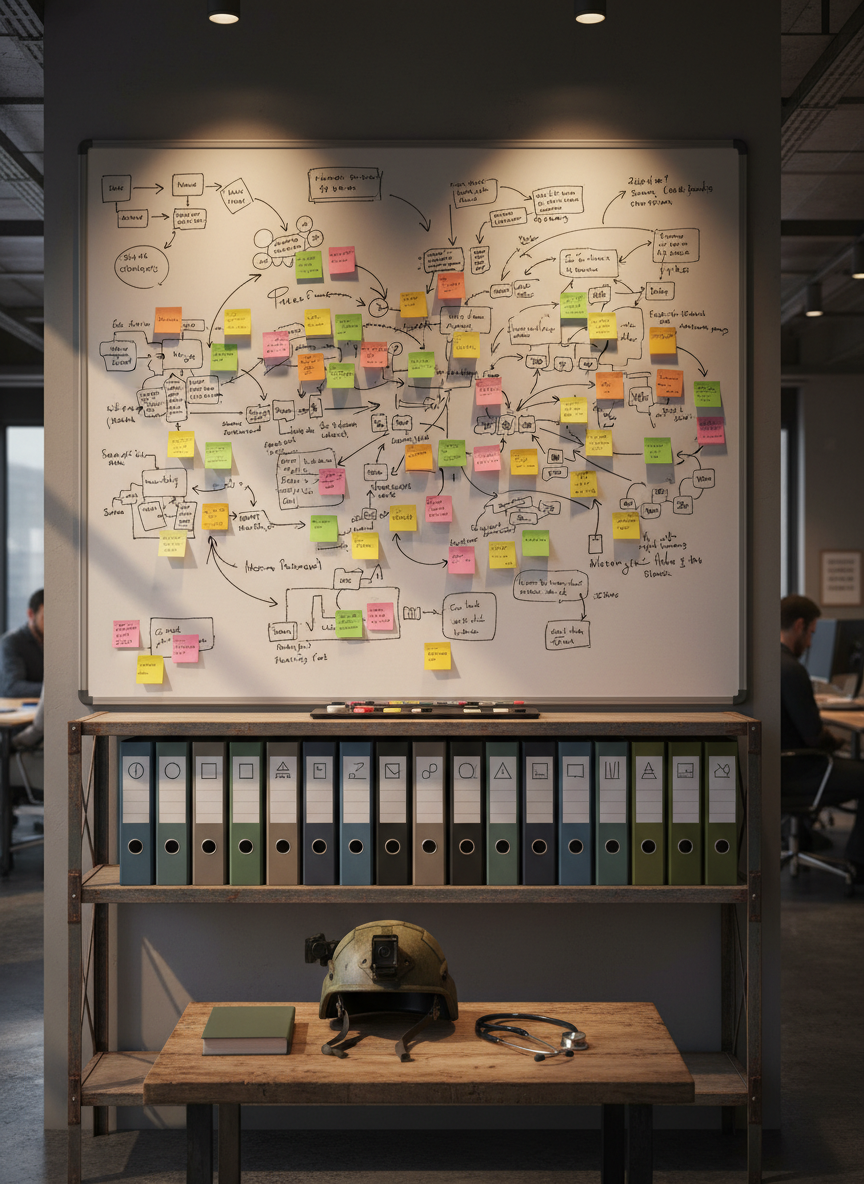
A large, wall-mounted whiteboard in a policy war-room setting, covered with color-coded sticky notes, arrows, and hand-drawn flowcharts depicting a complex healthcare system, all deliberately illegible. Below it, a row of neatly stacked binders in muted blues, grays, and olive tones sits on a steel shelf, each spine marked only with simple geometric symbols instead of text. A rugged tactical helmet and a stethoscope rest side by side on the tabletop beneath, symbolizing the intersection of military service and medicine. Warm, directional spotlighting from above creates dramatic shadows and highlights, giving the scene a bold, strategic feel. Photographic realism with a slightly off-center composition and moderate depth of field keeps focus on the planning surface, blurring the edges of the room to suggest intense, behind-the-scenes advocacy work without showing any individuals.

The Stories Behind Our Demands

We connect policy analysis with real experiences from troops, veterans, clinicians, and families, showing how broken systems disrupt lives and health.